
1. SEARCH ENGINE OPTIMIZATION (SEO):
SEO is the process of making changes to your website so that it shows up higher on search engine results pages (like Google, Bing, or Yahoo) when people look for something related to your business. People who are looking for the goods, services, or information you provide will find your website more easily thanks to SEO. SEO drives free (organic) traffic to your website in contrast to paid advertisements.
Why SEO Is Important:
- Greater Visibility: More people will visit your website the higher you rank in search results.
- Greater Trust: People have more faith in Google’s top results because they establish credibility.
- Free Traffic: Clicks are free, unlike advertisements.
- Long Term Benefit: With proper upkeep, your website can remain visible for months or even years after it ranks highly.
How SEO Works:
Special programs known as “crawlers” or “bots” are used by search engines like Google to explore every website on the internet.
They examine the links, content, and organisation of your website to determine:
- The purpose of your website
- How reliable and helpful it is
- Where in the search results should it appear? Making your website easy to understand for both people and search engines is the goal of SEO.
Main Components of SEO:
On-Page SEO:
You can improve your website’s search engine optimisation by doing these things.
- Making use of appropriate keywords (words that people look for)
- Producing excellent, pertinent content
- Including descriptions and meta titles (which appear in Google results)
- Making use of appropriate headers (H1, H2, etc.)
- Including alt text for pictures that explains what’s in them
- Creating brief and informative URLs
Off-Page SEO:
These are actions taken outside of your website to boost its credibility and authority.
- Backlinks: Obtaining links from other websites to your material (the more reputable websites linking to you, the better).
- Social signals: Posting your material on social media to increase awareness.
- Guest blogging: Creating content for other websites that includes a backlink to your own.
Technical SEO:
This guarantees that your website is technically optimised for easy reading and indexing by search engines.
- Quick loading time
- Design that is responsive
- HTTPS-secured website
- A well-structured website with simple navigation
- Robots.txt (search bot guidelines) and an XML sitemap
Local SEO:
Local SEO is ideal for shops, salons, cafes, and service businesses in a particular location because it concentrates on optimising your business for local search results.
- Setting up a profile on Google My Business
- Including the accurate phone number, address, and business hours
- Gathering client testimonials
- Employing regional keywords such as “in Calicut” or “near me”
2. Social Media Marketing (SMM):
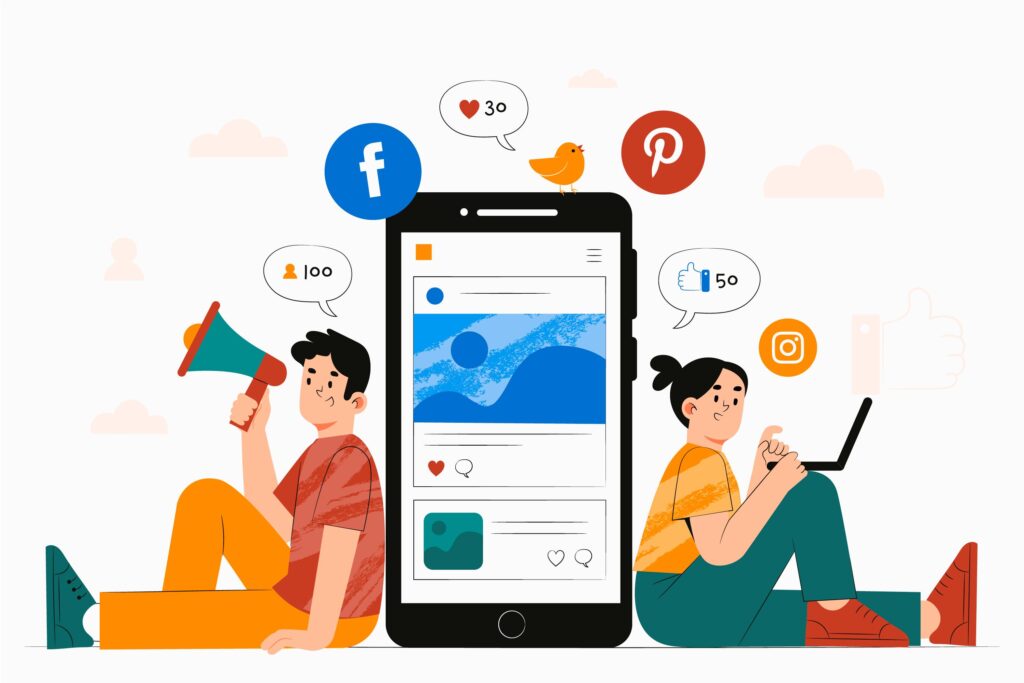
Using social media sites like Instagram, Facebook, LinkedIn, YouTube, TikTok, or X (Twitter) to market your business, goods, or services, engage with your audience, and cultivate a following of devoted clients is known as social media marketing, or SMM.
Simply put, the main goal is to use social media to:
- Speak with the appropriate individuals
- Use material to engage them.
- Turn them into clients
Main Goals of Social Media Marketing:
- Brand Awareness: spread the word about your company.
- Engagement: receive interactions, shares, likes, and comments.
- Lead Generation: Gather questions or prospective clients.
- Sales & Conversions: Motivate customers to purchase your goods or services.
- Customer service: respond to enquiries or grievances via direct messages or comments.
How Social Media Marketing Works:
- Know Your Audience – Determine the characteristics of your potential clients, such as their age, interests, location, and behaviour. For instance, a café in Kozhikode would target food and coffee-loving individuals aged 18 to 35.
- Pick the Correct Platform – Not every company has to be present everywhere. Decide where your target audience hangs out.
- Produce Captivating Content – To establish an emotional connection, use eye-catching posts, narratives, reels, and videos. For instance, a designer may share “before & after” pictures or process videos.
- Post Often: Consistent posting fosters trust. Weekly posts can be planned using a content calendar.
- Interact With Followers – Share user-generated material, reply to messages, and answer comments.
- Use Paid Ads – To reach more people more quickly, execute targeted ad campaigns or boost posts.
- Examine Outcomes – To enhance performance, examine data like as reach, engagement, and conversions.
3. Pay-Per-Click Advertising (PPC):
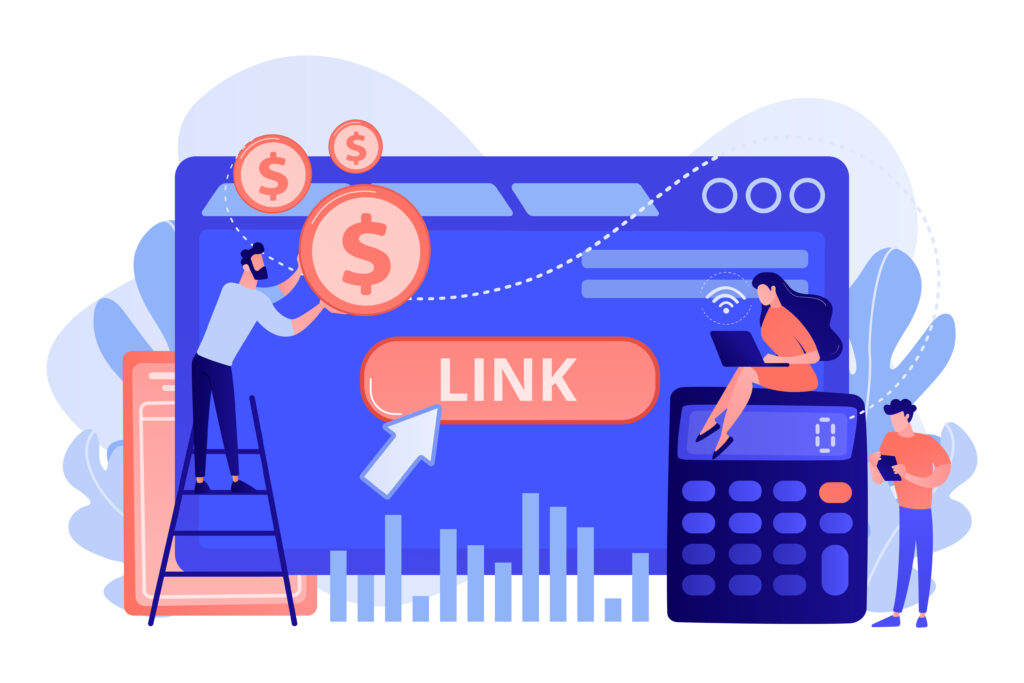
Advertisers that use pay-per-click (PPC) digital marketing pay a fee each time a user clicks on their ad.
To put it another way, you are purchasing website traffic instead of obtaining it naturally through SEO.
PPC enables companies to immediately contact their target audience, which is very helpful when you want to increase traffic, visibility, or revenue right away.
How PPC Works (Step-by-Step):
First, pick a platform:
Choose the location for your advertisement:
- step 1: Choose the location for your advertisement: Google Ads → for websites and search results
- Facebook ads → for feeds on social media
- YouTube advertisements → for promoting videos
- Step 2: Targeting keywords or audiences:
- Select keywords on Google, such as “buy chocolates online.”
- Select the audience’s geography, age, and interests on Facebook and Instagram.
- Step 3: Make Your Advertisement You create the advertisement:
- Create the ad’s description and headline
- Include pictures or videos
- Add a call to action, such as “Shop Now” or “Learn More.”
- Step 4: Establish Your Spending Limit:
- The amount you wish to spend each day or each campaign is up to you. For instance, ₹10 every click or ₹500 per day.
- Step 5: Making a bid:
- You place bids on placements or keywords. Every time a search is conducted, Google holds an auction and displays advertising based on:
- The amount you bid
- Ad quality (click-through rate, relevancy)
- Experience with landing pages
- Step 6: User Clicks the Ad:
- You pay a tiny charge (for instance, ₹5 to ₹50, depending on the industry and competition) each time someone clicks on your advertisement.
- Step 7: Examine the Outcomes:
- To improve results, you monitor performance, including clicks, impressions, conversions, and ROI.
Main Purpose of PPC:
- To immediately show up at the top of social media feeds or search results.
- To increase targeted visitors to your landing page or website.
- To produce leads or sales more quickly.
- To use paid publicity to increase brand awareness.
4. Email Marketing:
One digital marketing strategy is email marketing, which is sending emails to a list of recipients (your audience or clients) in order to:
- Advertise your goods and services
- Disseminate deals, updates, or helpful content
- Establish trusting bonds with clients
Main Goals of Email Marketing:
- Promote goods or services by sending out deals, discounts, or information about new products.
- Develop Relationships: By providing frequent updates, stay in touch with your clients.
- Boost Sales: Convert subscribers into paying clients.
- Customer Retention: Maintain the interest and loyalty of current clients.
- Drive Traffic: Encourage visitors to return to your landing page or website.

Types of Email Marketing Campaigns:
1.Welcome Emails:
Sent to new subscribers in order to establish a positive first impression and introduce your brand.
2. Promotional Emails:
Declare sales, discounts, or the introduction of new products.
3. Newsletter Emails:
frequent revisions to your blog’s content, news, or brand.
4. Transactional Emails:
triggered by a particular consumer action (such as changing a password or placing an order).
5. Re-engagement Emails:
To re engage inactive subscribers, target them.
6. Lead Nurturing Emails:
Leads should be educated or guided through your sales funnel until they are prepared to make a purchase.
5. Content Marketing
Instead of promoting your product directly, content marketing involves producing and disseminating relevant, engaging, and helpful information (such as blogs, videos, social media postings, etc.) to draw in and keep your audience interested. The objective is to gain people’s trust, teach them something, and inspire them to believe in your brand so that they would eventually buy from you.
Main Purpose of Content Marketing:
- To inform your audience about a topic pertaining to your area of expertise.
- To increase brand awareness and trust.
- To draw in leads, or prospective clients.
- To maintain the interest and loyalty of your audience.
- To assist with SEO, which makes your brand show up in Google searches.

How Content Marketing Works:
1. Understand Your Audience:
Prior to producing content, you need to be aware of your audience:
- Their interests, occupation, and age
- Their issues or requirements
- What kinds of information (blogs, reels, videos, etc.) they like
2. Create Useful Content:
Now, produce content that benefits or resolves issues for your audience. This might be:
- Educational: imparting knowledge (e.g., tutorials)
- Informative sharing news or advice
- Content that is amusing or relatable
- Inspirational: motivational sayings, success stories, or quotes
3. Share Content on Right Platforms:
Sharing your useful content on the channels where your target audience is most active comes next. The goal and audience behaviour of each platform vary, therefore picking the appropriate one can assist your content efficiently reach a wider audience.
For instance, lengthy instructions and blog posts are most suited for your website, whereas instructional videos and tutorials are best suited for YouTube. Facebook and Instagram are excellent platforms for visual content that immediately captures attention, such as carousels, reels, and brief films. Professional and business-related postings work well on LinkedIn, and email newsletters allow you to send offers or updates to your devoted followers directly. The objective is to regularly post and market your material through the appropriate channels so that it reaches the people who will find it most interesting and helpful.
4. Promote the Content:
If no one sees it, even the best stuff is useless.
Thus, you need to advertise it by:
- Posting content on social media
- Emailing
- Working together with influencers
- Using advertising to increase reach
5. Measure the Results:
Use tools like Instagram Insights or Google Analytics to examine your performance after publishing, Verify metrics like:
- Reads or views
- Comments, shares, and likes
- The amount of time users spend on your material
- Conversions (did they click, purchase, or register?)